A partner in form of Joint research. This is an agreement on cooperation between the parties on research and development on an equal level (Synergy and international partnership, EU H2020 funding application).
|
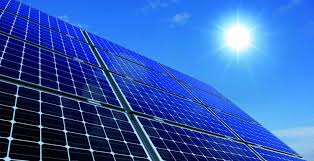
LEAD-FREE PEROVSKITE SOLAR CELLSTech for Transfer TTO 15-01-2016 Advanced lead-free solar cell that uses a perovskite mineral for harvesting light. Photovoltaics Tell me more |
|
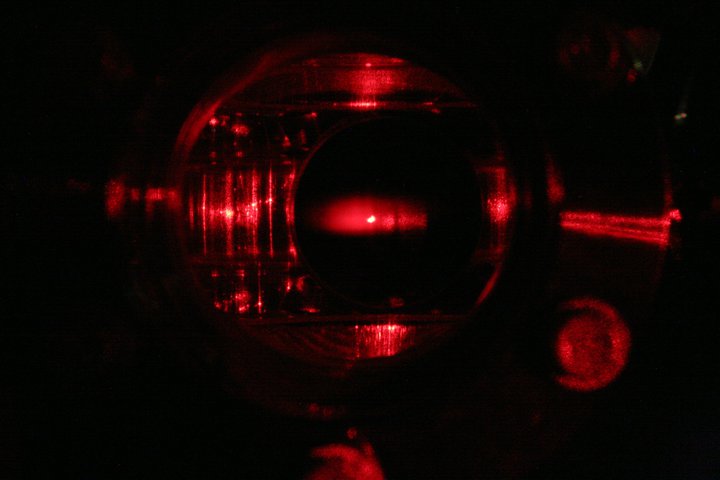
TRAPPING PARTICLES AT ENHANCED SPEED AND EFFICIENCYTech for Transfer TTO 16-01-2016 New technique for trapping particles that replaces thin film substrates with plasmonic resonant nanostructures and actually utilizes the collective heat generation capabilities of these nanostructures. Lasers Nanophotonics Plasmonics Quantum Optics Tell me more |
|
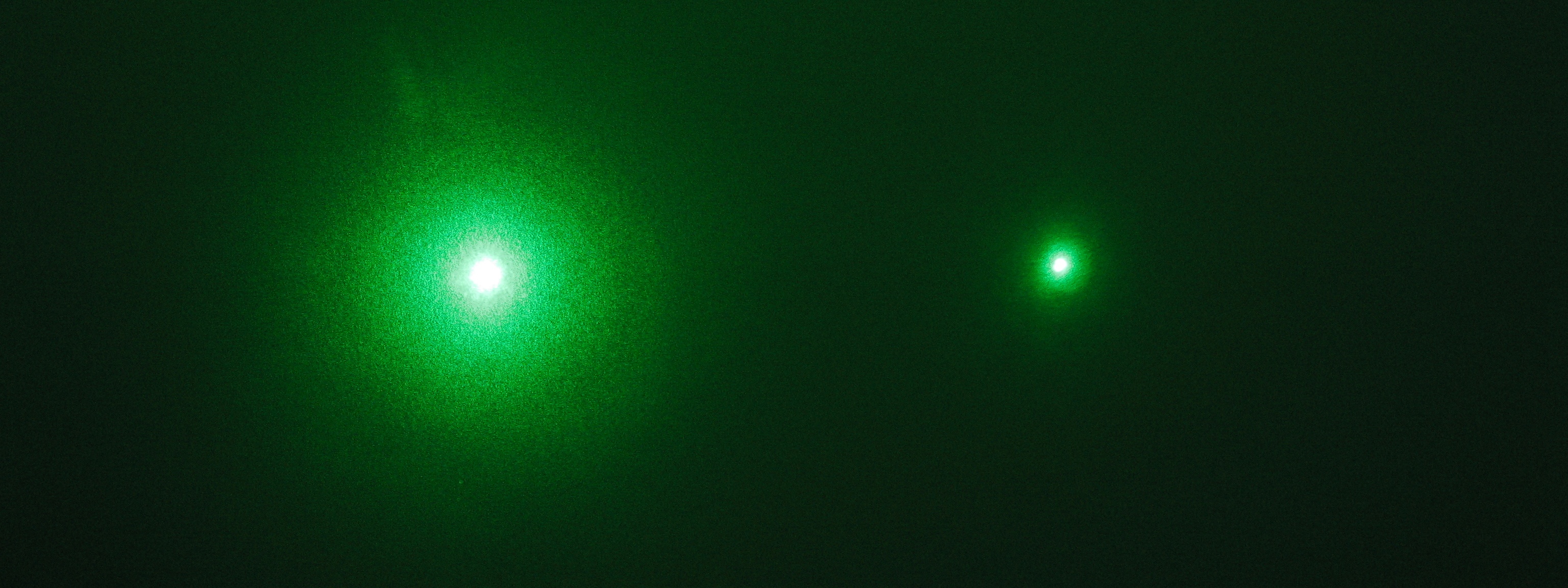
UP-CONVERSION OF IR FEMTOSECOND PULSES USING PHOTONIC CRYSTAL FIBERSTech for Transfer TTO 16-01-2016 Optical frequency up-conversion of infrared femtosecond laser pulses into visible pulses by Cherenkov radiation and intermodal four-wave mixing in photonic crystal fibers. Fiber Optics Lasers Non-Linear Optics Photonic Crystals Tell me more |
|
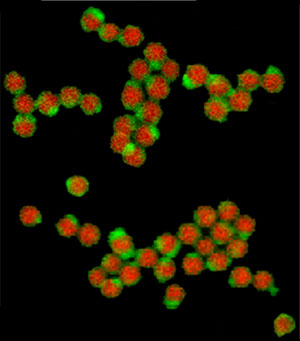
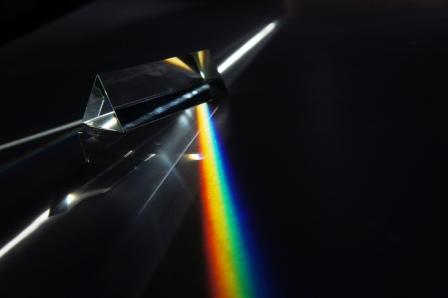
SYNTHESIS OF PORPHYRIN NANOSTRUCTURESTech for Transfer TTO 16-01-2016 A facile self-assembly process to synthesize monodisperse porphyrin nanostructures. Glass & other optical materials Nanophotonics Tell me more |
|
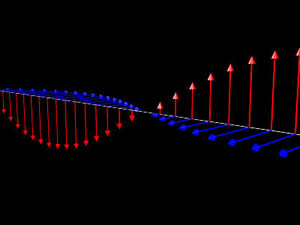
OPTICAL PARAMETRIC AMPLIFICATION OF WEAK SIGNALS FOR IMAGING BIOLOGICAL TISSUETech for Transfer TTO 16-01-2016 Method of applying optical parametric amplification technology to enhance ultraweak signals from scattering biological tissue. Biophotonics Light sources Non-Linear Optics Tell me more |
|
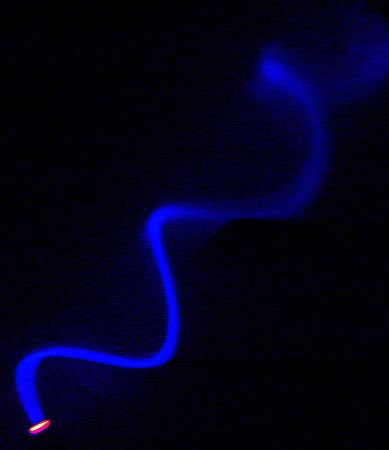
QUANTITATIVE PNEUMATIC OTOSCOPY USING COHERENT LIGHT RANGING TECHNIQUESTech for Transfer TTO 16-01-2016 Device for accurately measuring the rigidity of the ear drum, which is crucial in diagnosing Otis Media and Otis Media with effusion. Biophotonics Light sources Optical measurement systems & Sensors Tell me more |
|
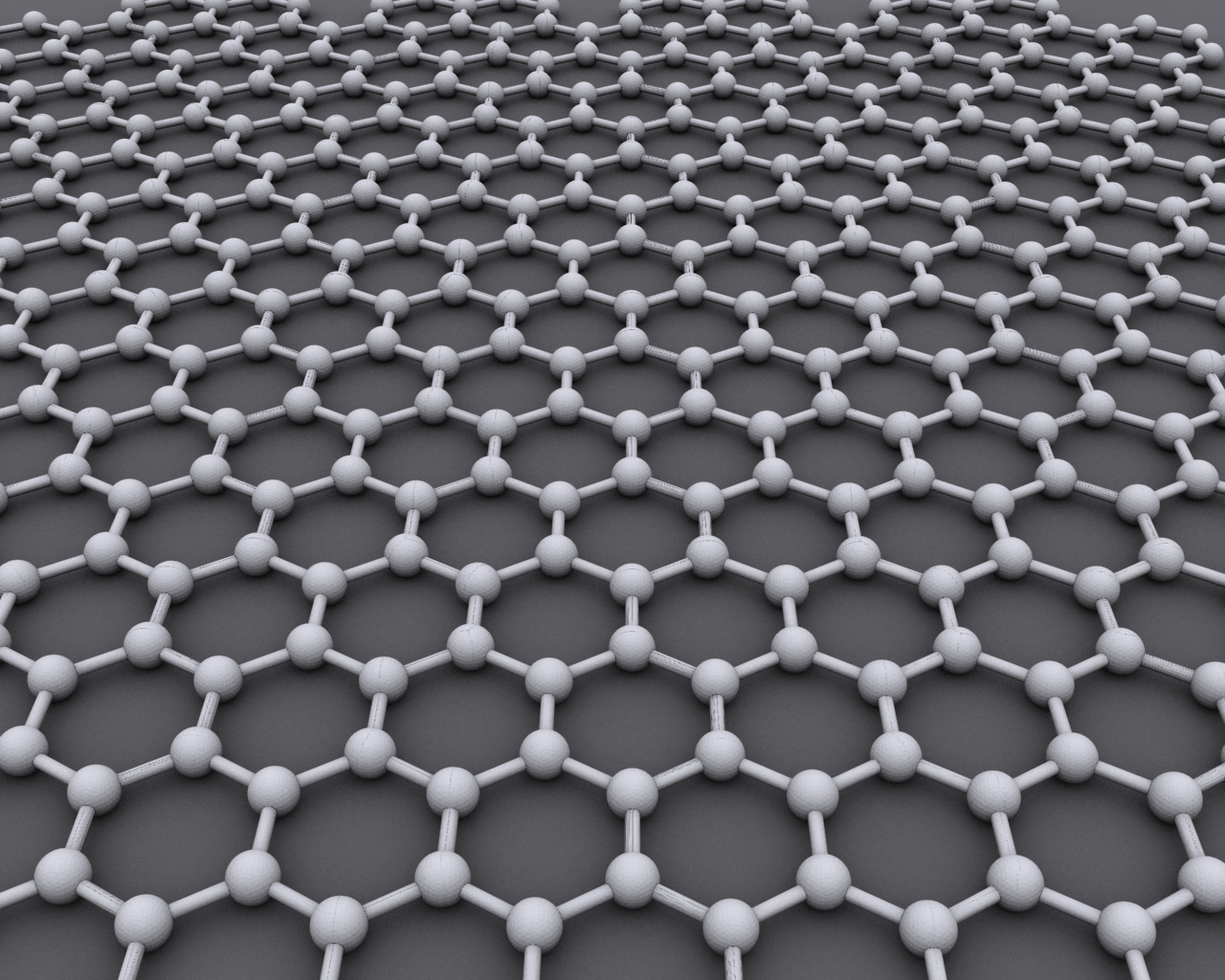
ONE-STEP PROCESS FOR PRODUCING GRAPHENETech for Transfer TTO 16-01-2016 Simple one-step process for producing graphene at relatively low temperatures around 650ºC, using remote plasma-enhanced chemical vapor deposition (PECVD) on various substrates. It enables full coverage of graphene over large areas within a few minutes, making it greener than other methods. Thin-Film Materials Tell me more |
|
ELECTRON-BEAM LITHOGRAPHYTech for Transfer TTO 16-01-2016 Novel device to focus optical energy at nanoscale and locally excite electrons to form massively parallel electron beams, which can be used to perform maskless lithography in mass quantities. Light-matter interactions Nanophotonics Optoelectronics Tell me more |
|
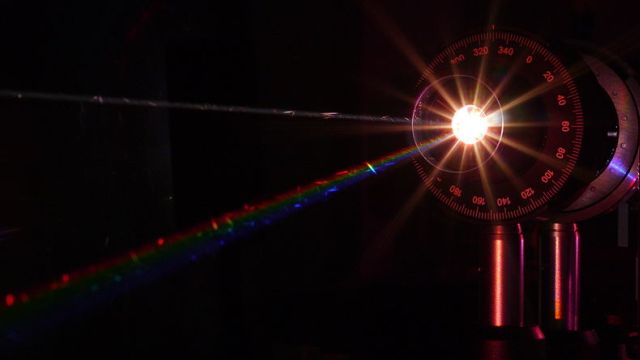
PHOTONIC JET WITH LARGE FIELD OF VIEWTech for Transfer TTO 16-01-2016 Numerous applications, such as detectors and displays, require imaging an object onto a flat surface with spot-size smaller than the wavelength of the incident light but with a large field of view. Such a small spot size can be achieved with an optical device called photonic jet however, existing photonic jets are limited by their field of view. This technology provides a novel optical device that enables high-quality imaging of a small spot size on a flat focal plane and with a large field of view. Optical Components & Devices Optical Imaging and Processing Tell me more |
|
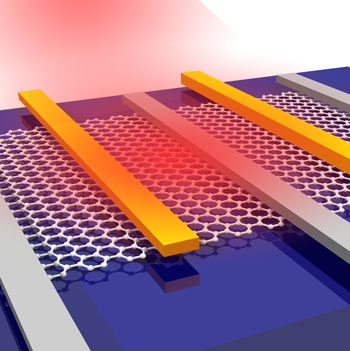
HIGH BANDWIDTH GRAPHENE PHOTODETECTORTech for Transfer TTO 16-01-2016 This technology involves a device for coupling light into graphene using a planar photonic crystal with a resonant cavity and evanescent coupling. This resolves the problem of low optical absorption and responsitivity of graphene making it suitable for working as a photodetector. The optical properties of the graphene layer can then be controlled by electric currents. The advantages of graphene-based devices, such as high bandwidth detection abilities and ultrafast carrier dynamics are maintained. Photonic Crystals Photodetection Thin-Film Materials Tell me more |